
The filmmaker Béla Tarr
Exploring the lingering silence, haunting atmosphere, and existential depth that define the Hungarian filmmaker Béla Tarr’s unique cinematic world.
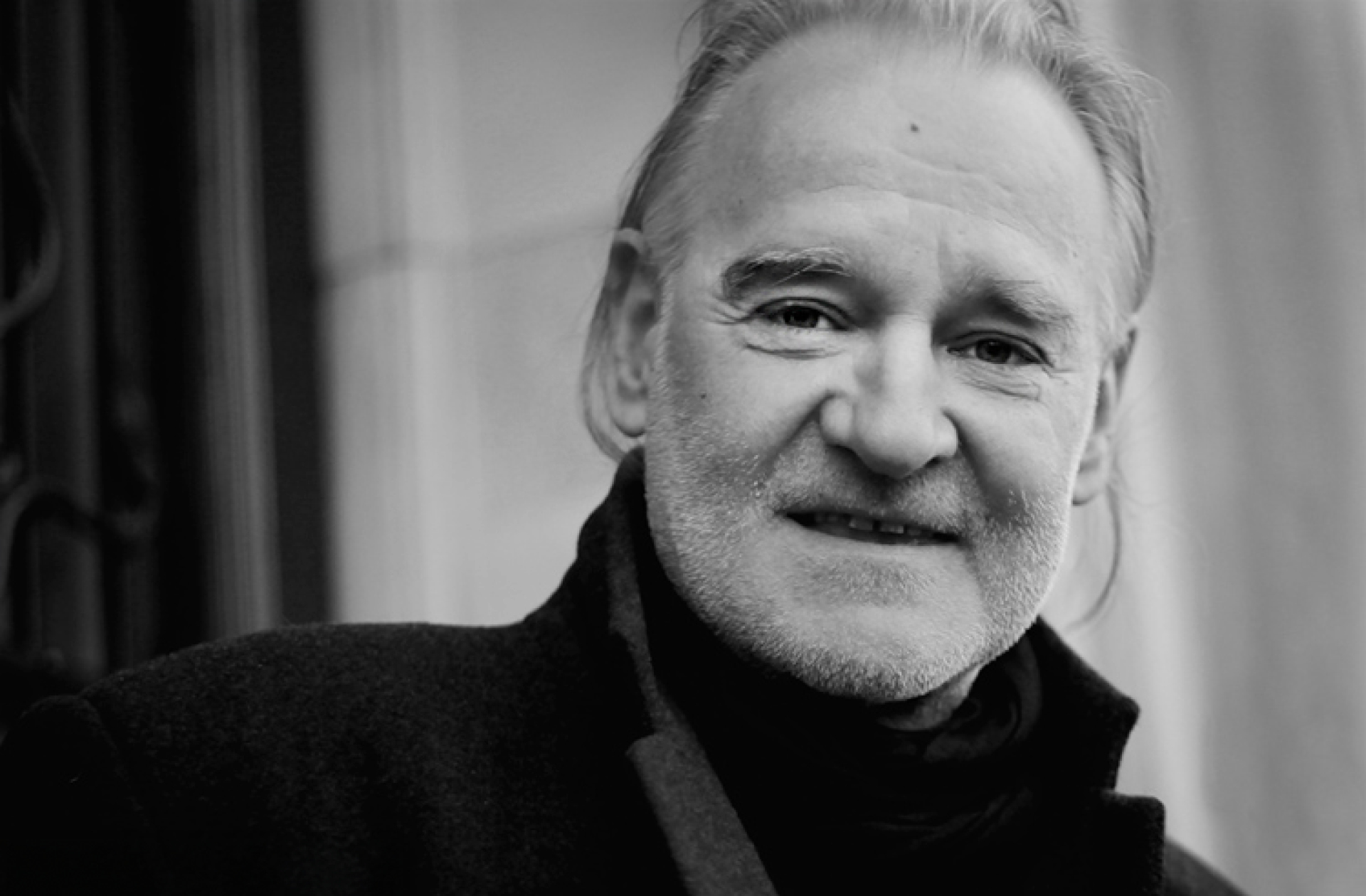
Béla Tarr is known for his stark, slow-burning narratives that dive deep into the human experience. His films challenge conventional storytelling with long takes, oppressive atmospheres, and a meditative pace. Tarr invites viewers to immerse themselves in his bleak worlds, exploring existential themes of despair, time, and human endurance. In this post, I’ll explore how his unique approach to cinema reshapes our understanding of narrative and emotional depth.
The art of the long take
One of the most defining characteristics of Béla Tarr’s films is his use of the long take. Where many filmmakers opt for fast cuts and quick pacing, Tarr allows scenes to unfold slowly, almost obsessively, in real time. This choice forces the viewer to fully inhabit the moment. For example, in The Man from London (2007), the camera lingers on a man watching the sea for what feels like an eternity, transforming what could be an insignificant moment into an exploration of solitude and anticipation. It’s not just about what we see, but the time it takes to see it.
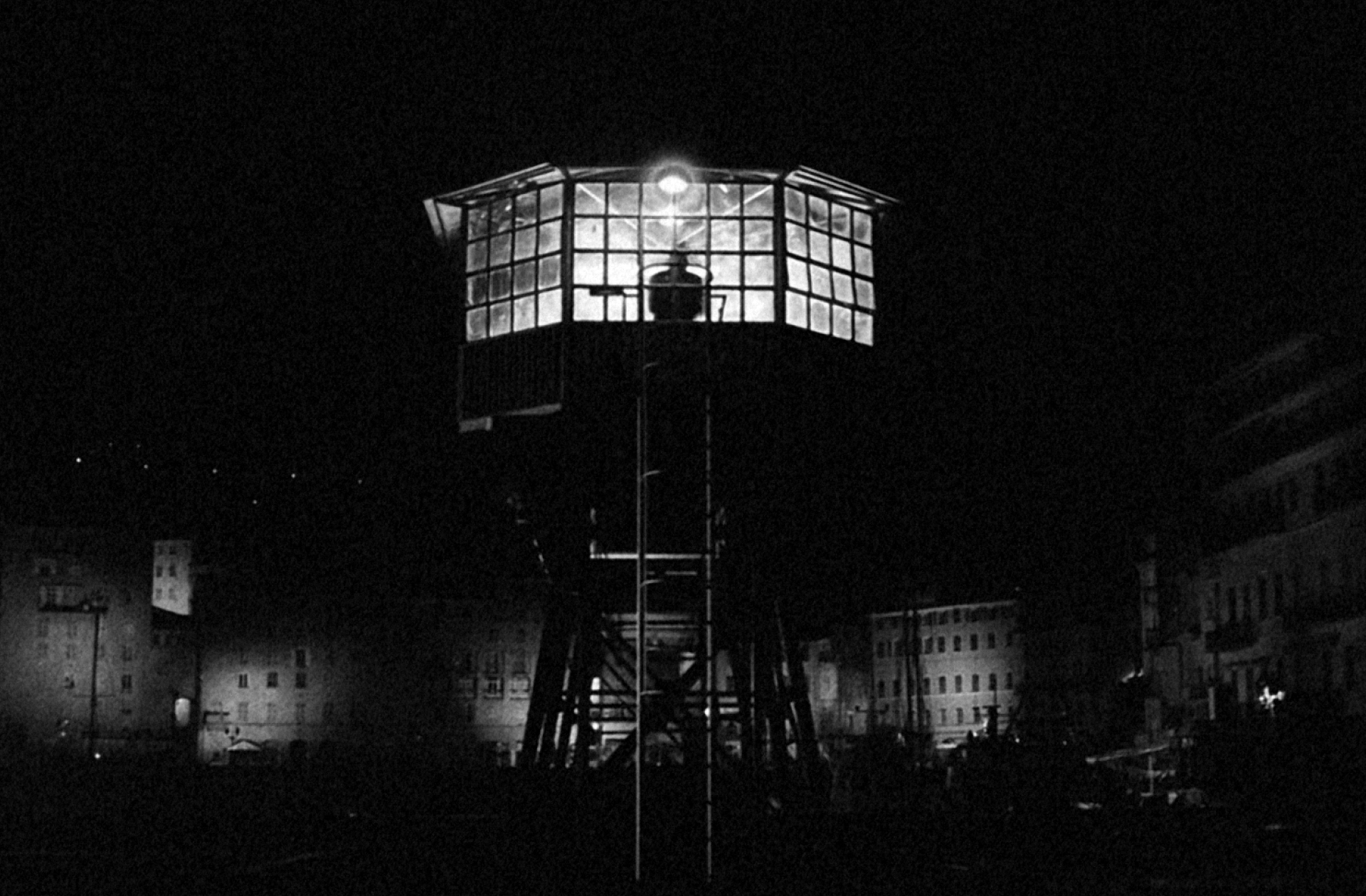
Still from The Man from London (2007)
Slow cinema: a philosophy, not a technique
Slow cinema, a term often applied to Tarr’s work, isn’t just about pacing—it’s a philosophy. Tarr’s films deliberately resist conventional plot structures and fast-moving narratives. Instead, they immerse the viewer in a world where time seems to stretch, forcing us to reflect on the characters’ internal struggles, their surroundings, and the weight of their decisions. Satantango (1994), arguably his magnum opus, runs over seven hours, but it’s not about endurance—it’s about the accumulation of each moment. The slow pace allows each character's despair and the atmosphere of the bleak Hungarian countryside to settle in, creating an experience that’s as much about meditation as it is about storytelling.
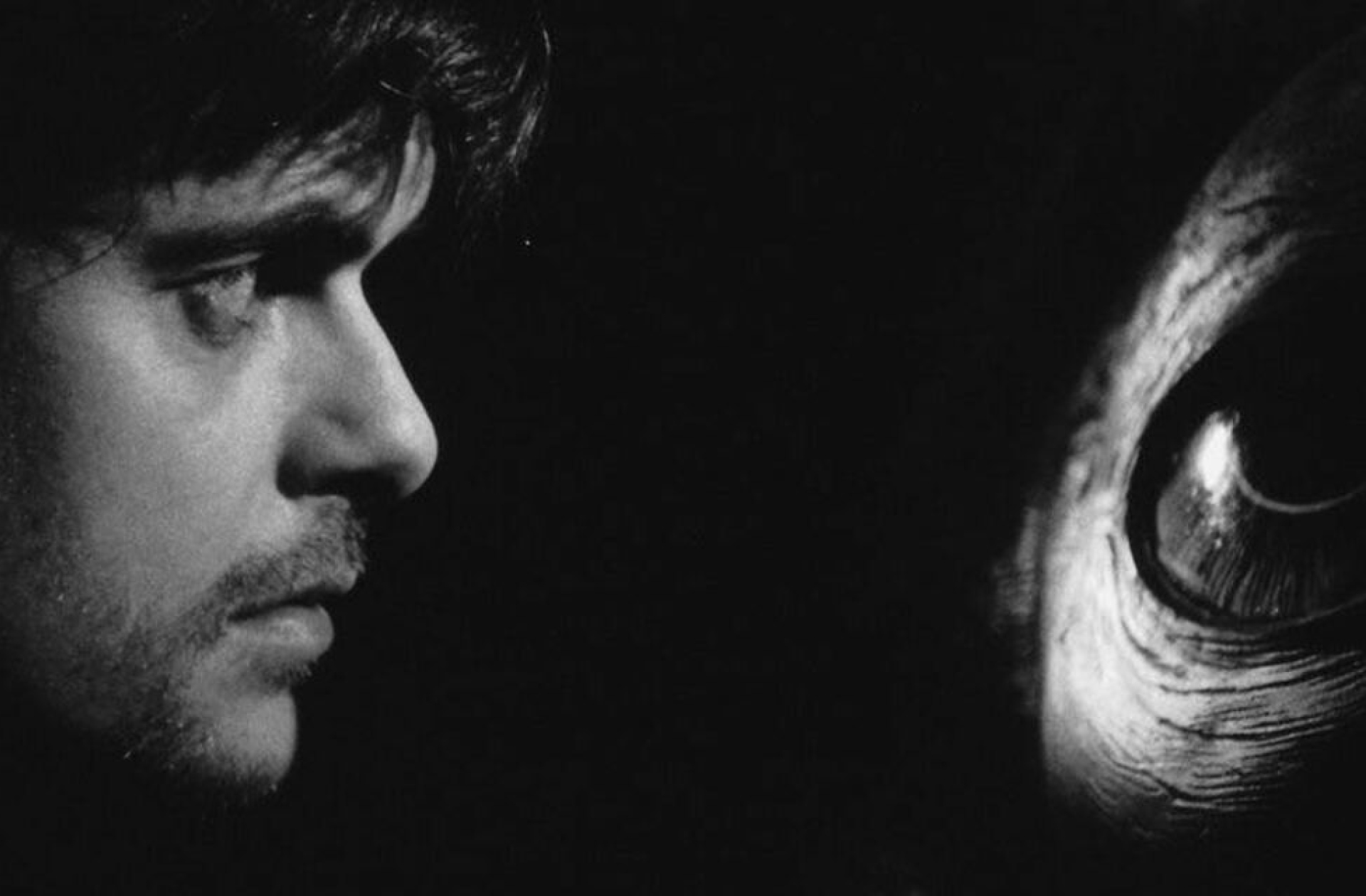
Still from Werckmeister Harmonies (2000)
The power of atmosphere
In Tarr’s films, atmosphere often becomes a character in itself. The oppressive gray skies, the muddy landscapes, and the slow-moving camera all contribute to a sense of emotional weight that lingers long after the screen goes dark. His use of natural elements, especially rain and wind, becomes a metaphor for the characters' internal struggles. The long shots allow the viewer to feel the physical and emotional exhaustion that his characters endure, making the environment just as important as the human drama unfolding within it.
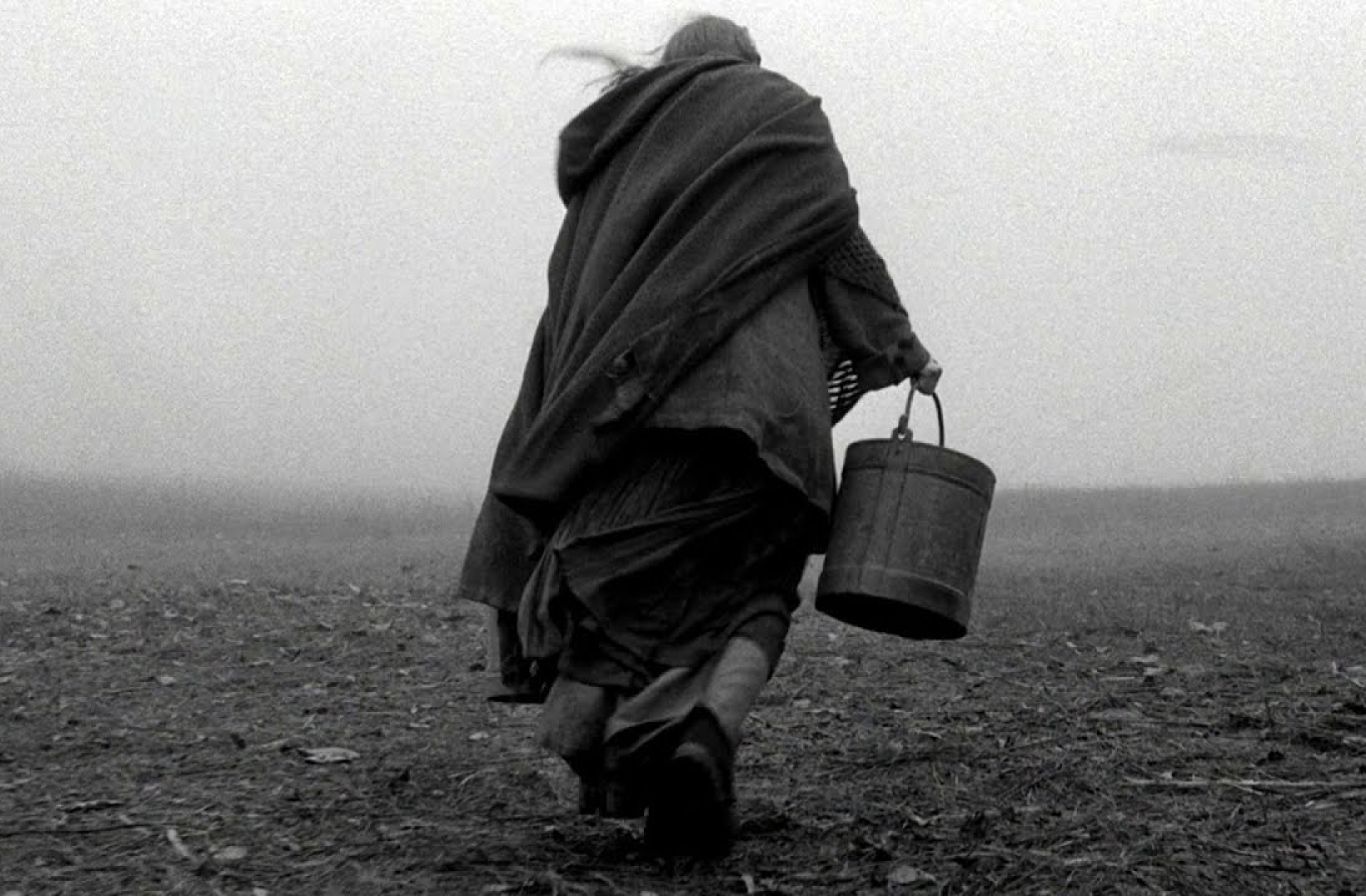
Still from The Turin Horse (2011)
Embracing the darkness
Tarr’s films aren’t easy to watch. His characters live in a world of hopelessness, often struggling against forces they can’t control. But this darkness isn’t just despair—it’s a raw, unflinching look at the human condition. Tarr doesn’t shy away from showing the most difficult aspects of life, but he also shows them with such patience and beauty that it becomes almost transcendent. His work challenges the audience to accept the long, uncomfortable silences and moments of inaction, forcing us to confront not just the screen, but the often unseen spaces between us and the characters.
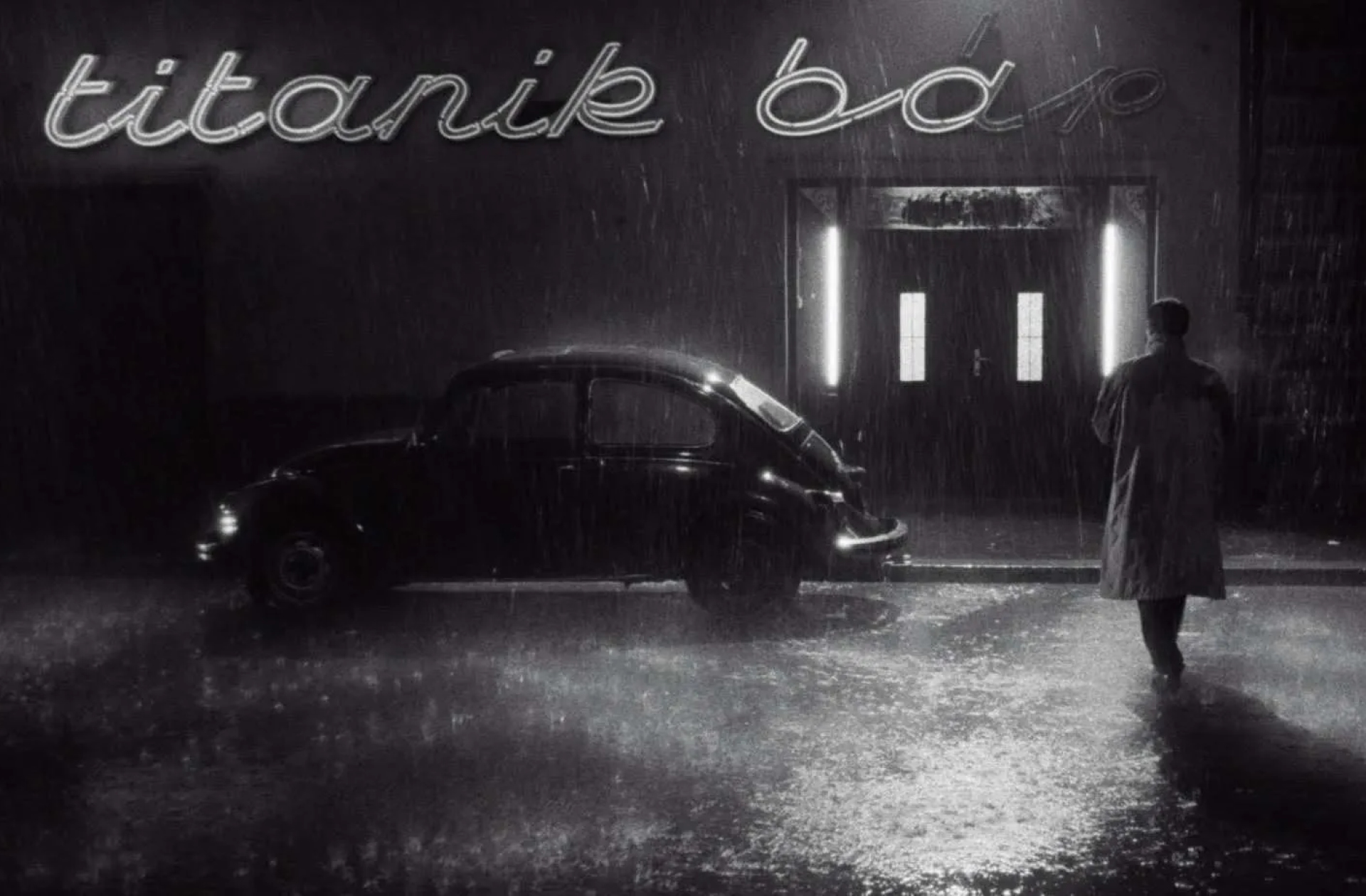
Still from Damnation (1988)
Conclusion
Béla Tarr’s films may not be for everyone. His slow pacing and challenging themes can be alienating to some, but for those willing to take the journey, his films offer something deeply moving. They are a reminder that cinema doesn’t always have to move quickly to be powerful; sometimes, the most profound moments are the ones that unfold slowly, giving us the time to truly experience them. Tarr’s mastery of the long take, his emphasis on atmosphere, and his exploration of existential themes make his work a cornerstone of modern cinema—one that invites us to stop, reflect, and feel the weight of time itself.
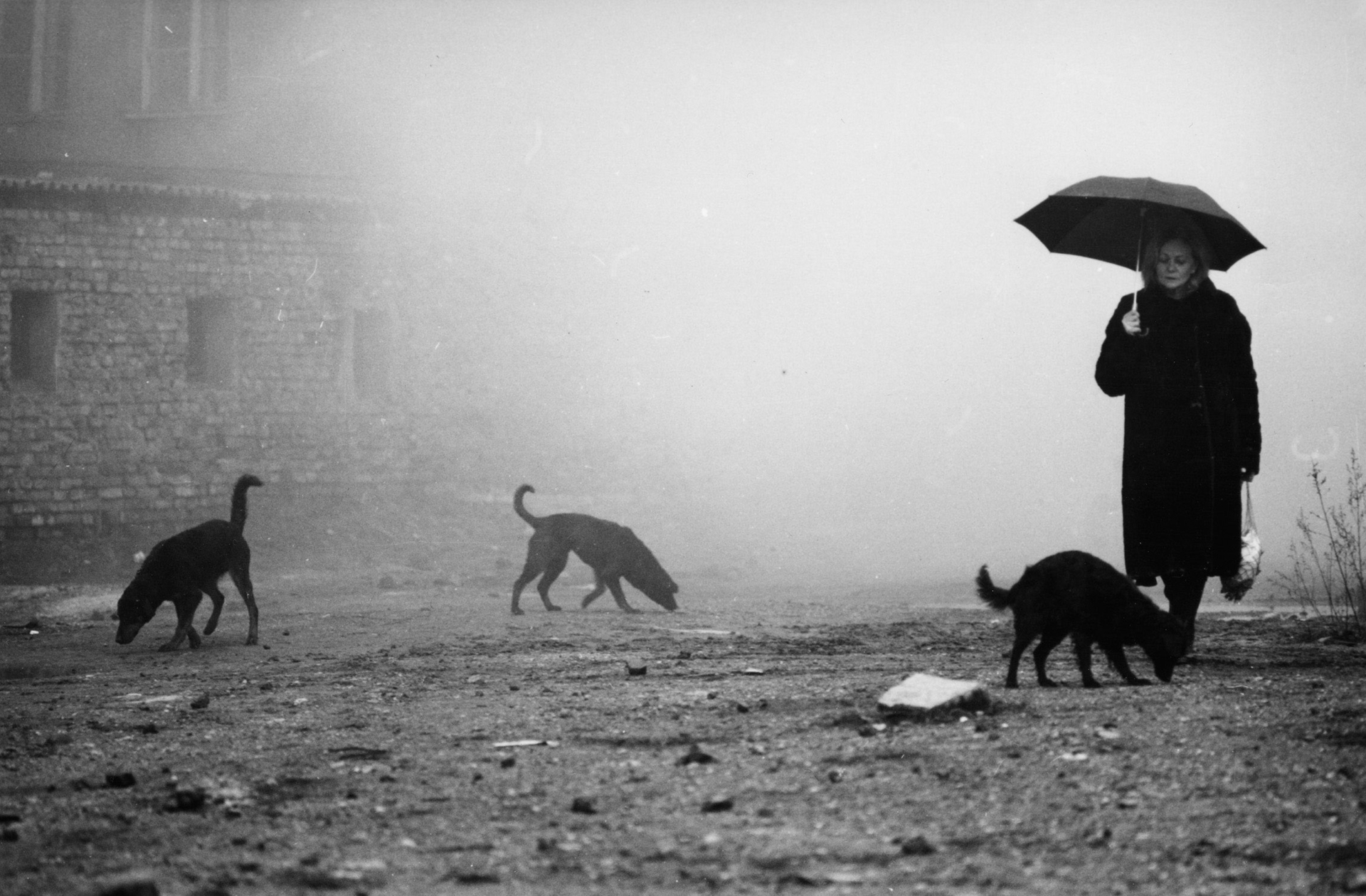
Still from Damnation (1988)