
Blind photography, how sight and perception can differ
Blind and visually impaired people often navigate the world in ways that are fascinating, and some push their own boundaries in remarkable ways. Photography might seem impossible without sight, yet blind photographers challenge that assumption. Artists who work without eyesight do not simply replicate what a sighted photographer might capture; they offer a unique sensibility rooted in memory, touch, sound and intuition. Their work reveals that seeing is not confined to vision alone, but involves the whole body and mind.
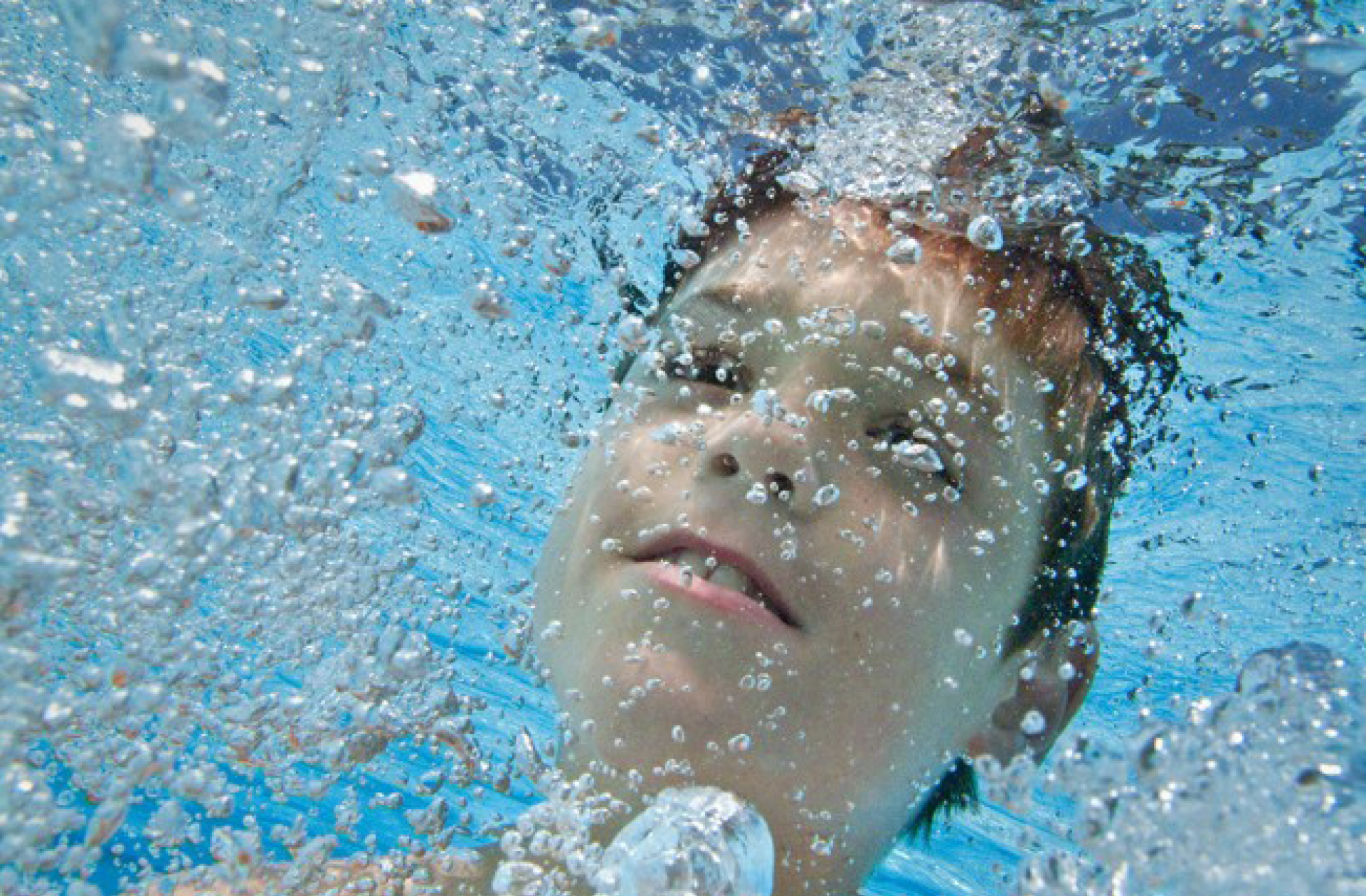
Photo: Bruce Hall
What is blind photography
Blind photography is a term used for photographic practice by people who are blind or have severely limited vision. It is not a genre in the sense of a particular style, but rather a broad and diverse set of approaches that share a common fact: the artist does not rely on visual sight in the traditional way. Some photographers work with assistance from others for technical aspects such as focusing or framing, while others use specialised equipment or memory‑based techniques. Rather than seeing as the primary means of composing an image, they often draw on touch, sound, spatial awareness and muscular memory to guide the camera. The result is not an imitation of sighted photography, but a different way of being with the world and the medium.
Blind photography in Berlin: Blinde Fotograf*innen
In Berlin, the exhibition Blinde Fotografinnen* brought together a range of artists working with blindness and photography, creating a space where established assumptions about seeing were questioned and expanded. The exhibition did not present a single aesthetic, but a spectrum of practices and intentions. Some works focus on texture, others explore subtle gradations of light, and others refuse conventional representation altogether, inviting the viewer to feel the image rather than simply look at it. It was a reminder that photography can be less about recording a visual moment and more about expressing a lived experience, an internal landscape, or a memory of the world. The title itself — using gender‑inclusive language in German — signals that this is not a marginal or peripheral practice, but a vital part of contemporary photography.
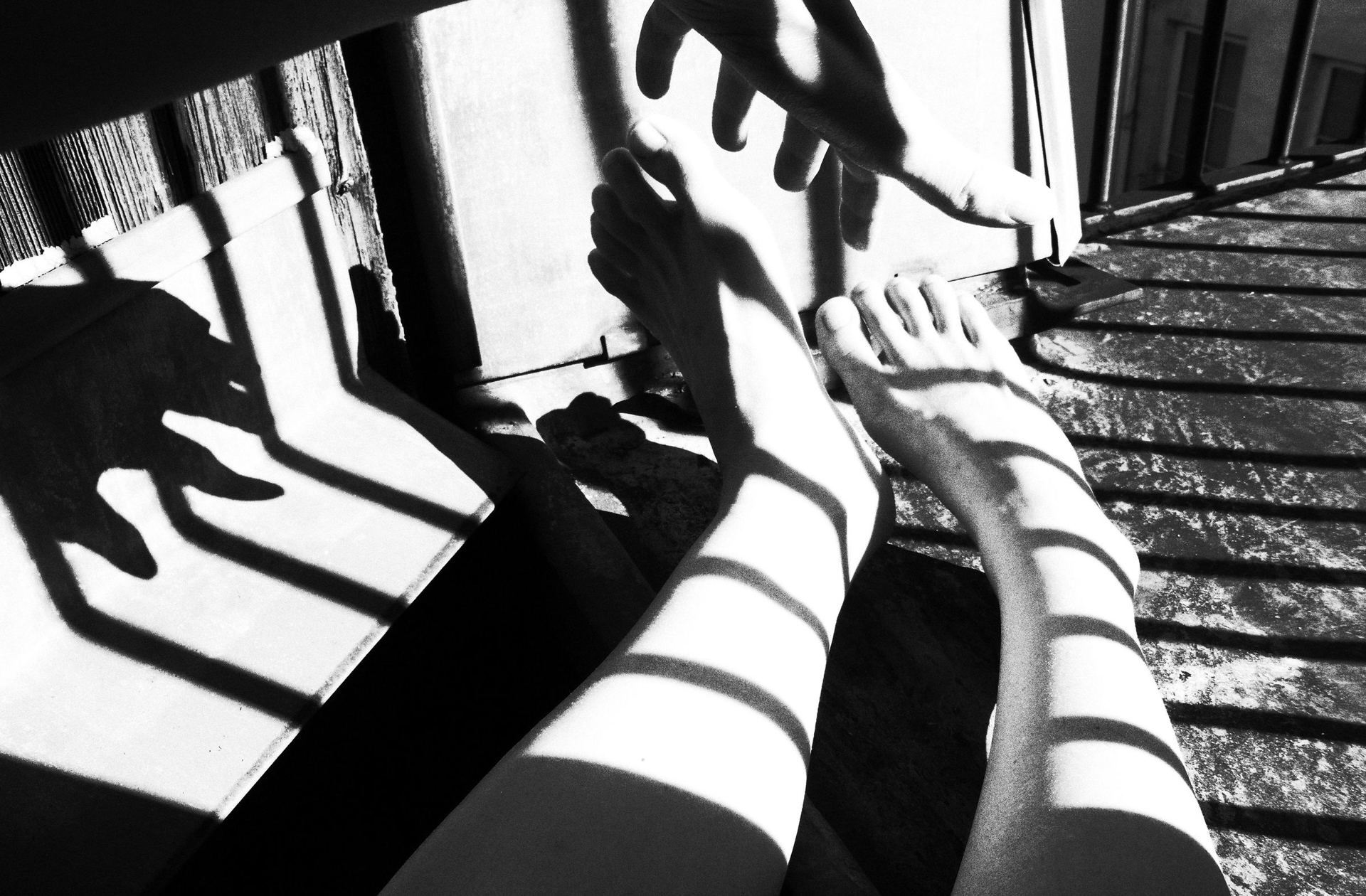
Photo: Emi Anrakuji
Emi Anrakuji: memory, body, intuition
Emi Anrakuji is one of the best‑known figures associated with blind photography. A trained photographer, she lost her sight in adulthood, and her work since then reflects a profound and distinctive voice. Anrakuji’s series often move between abstraction and suggestion, inviting the viewer to sense rather than see literally. She frequently works without a viewfinder, guided by memory and touch. Her images are intimate and introspective, and they demonstrate how a photographic language can be rediscovered when conventional sight is absent.
Bruce Hall: landscapes of memory
Bruce Hall lost his sight as a young adult and began making photographs as a way of processing his experience of the world. Hall’s work is deeply rooted in memory and emotional resonance. Rather than capturing the visible surface of a scene, his images often evoke a sense of atmosphere, texture and mood. They remind us that landscape, light and composition can be understood through feeling, rhythm and association, not only through visual detail. His photographs are tactile, even when viewed on a screen, because they reflect an embodied relationship with place.
Silja Korn: sound, space, narrative
Silja Korn has worked with photography in ways that question conventional seeing. Korn’s practice includes listening to spaces and letting sound, movement and spatial awareness inform her image‑making. Her approach often integrates performance and conceptual elements, and she is interested in how photography can communicate a broader sensory experience. Rather than treating blindness as a limitation, Korn’s work shows how it can expand the expressive possibilities of the medium.
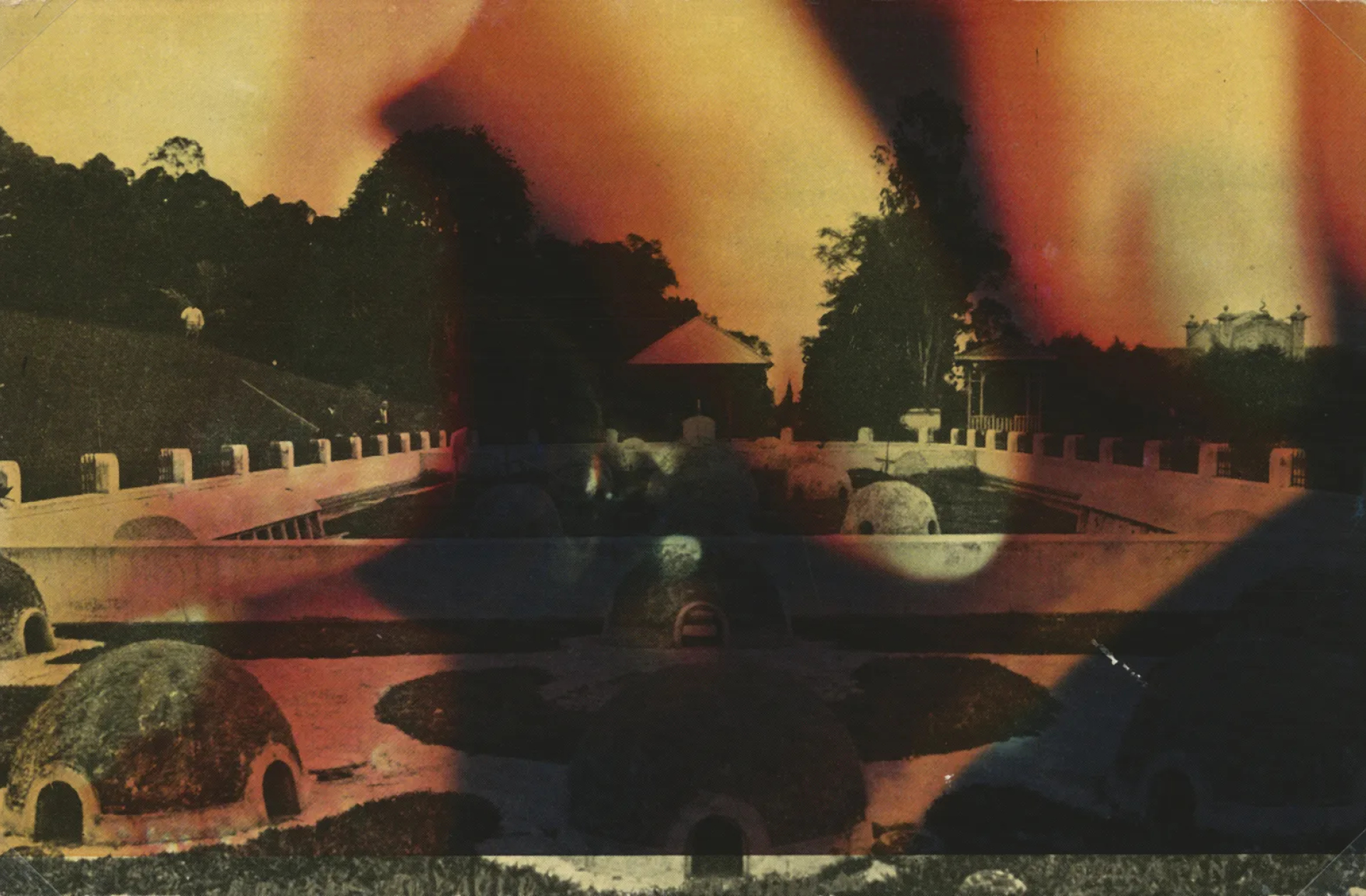
Photo: Emi Anrakuji
Pete Eckert: intuition, process, reflection
Pete Eckert explores photography as an intuitive and reflective process. Lost sight later in life, Eckert’s work is grounded in recovery, adaptation and sensory memory. His images are not literal records of what a sighted camera would capture, but visual poems reflecting a dialogue between body, environment and experience. They show how rhythm, gesture and touch can guide the eye of the camera, and how the resulting prints invite viewers to slow down and reconsider what they think they “see.”
What blind photography teaches us
What these photographers share is not a single style, but an expanded sense of perception. Their work teaches us that photography is not simply a mechanical act of reproduction, but an embodied practice that can involve sound, memory, touch and intuition. Blind photography shakes our assumptions about what a photograph should be, and in doing so it expands what photography can be. It is not about replicating sight, but about feeling the world, and reminding us that there are many ways to be in relation to light and space. For me, that is a powerful reminder that the senses we rely on most are shaped by culture, expectation and habit. When we step outside those habits, we discover new forms of awareness that feel just as real — and perhaps even more alive.