
Long shot: When cinema refuses to blink
Long shots in modern cinema: how The secret in their eyes immerses us in the chaos of a stadium, while The man from London holds us in the tension of stillness, showing how a single continuous shot can shape the entire mood of a scene.
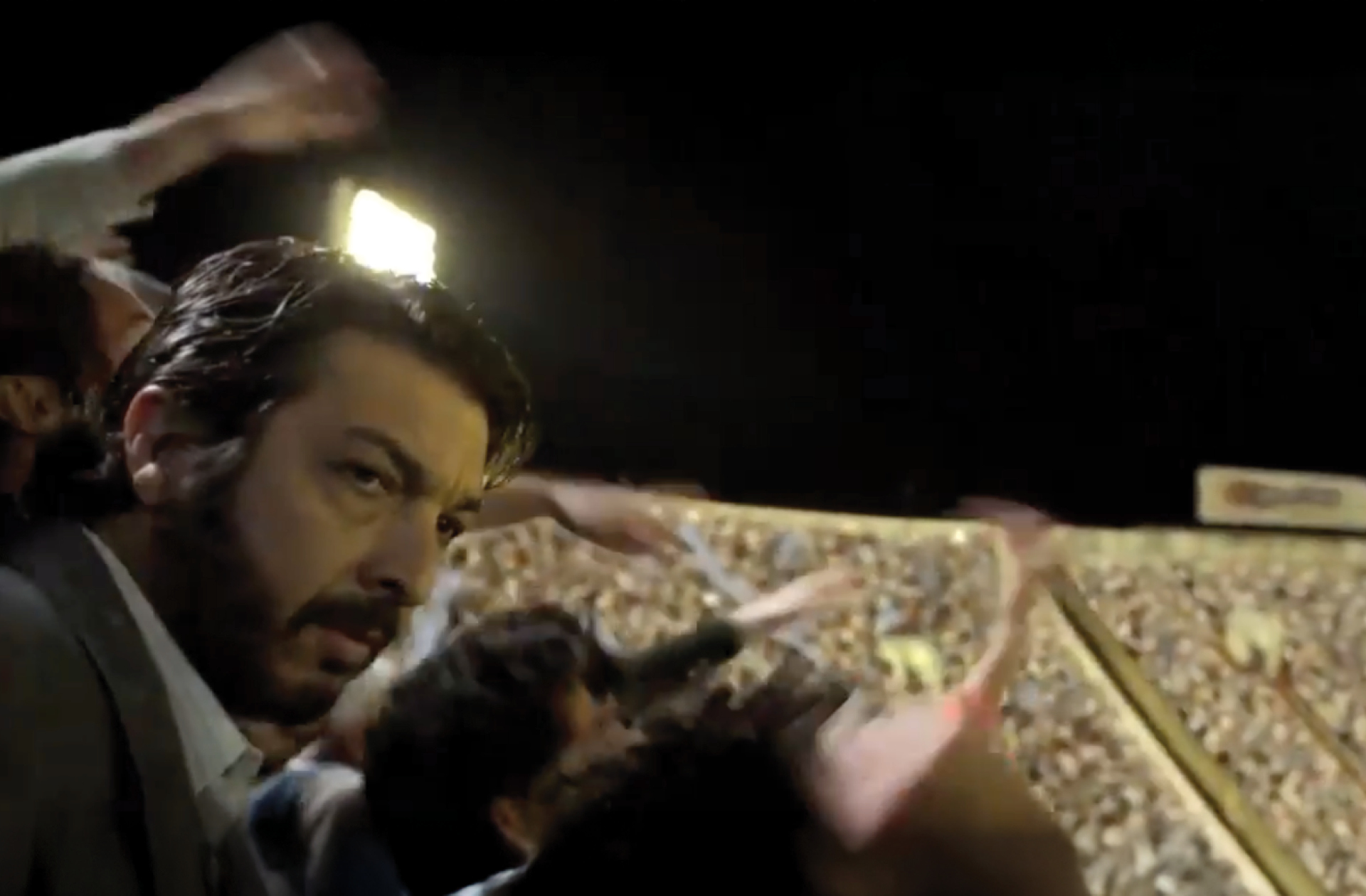
Long shots fascinate me not only for their technical skill but for the way they allow a scene to unfold in real time. A classic example is Tarkovsky's Stalker, where the camera patiently observes, drawing out time. But I’ll focus on two more recent films: The Secret in Their Eyes (2009), where the long shot thrusts you into the chaos of a stadium with swift, intricate movement, and Béla Tarr’s The Man from London (2007), where the camera lingers, holding you in a moment of stillness. These two scenes, with their contrasting rhythms, show how a single continuous shot can create vastly different atmospheres, one pulling you in with urgency, the other making you feel every second of quiet tension.
The football stadium long shot
The Secret in Their Eyes (El secreto de sus ojos, 2009)
Watch the original scene:
Watch the breakdown video:
Narrative purpose first
The football stadium sequence in The Secret in Their Eyes is not designed as a technical showpiece. Its purpose is narrative and psychological. The scene places the audience inside an obsession: the belief that one specific man is hidden somewhere within an overwhelming mass of people. The long shot removes the comfort of editorial control and replaces it with physical effort, confusion, and urgency. Time is not compressed. Space is not simplified. The camera commits to the search.
Shot breakdown
1. The god’s-eye descent
The scene begins with an aerial view of the stadium at full capacity. From this height, the crowd appears abstract, almost anonymous, moving as a single organism. The perspective is omniscient and detached, reinforcing how insignificant any individual seems at this scale. The camera then descends toward the stands, drifting closer and closer to the audience, as if drawn by instinct rather than logic. The first hidden cut occurs as the camera moves over the spectators. The transition from the impossible aerial movement to a practical camera gliding above the crowd is concealed within the motion itself. The viewer reads the shot as continuous because the direction and velocity never change. The cut doesn’t interrupt space; it completes it.
2. Inside the crowd
Once inside the stadium, the camera becomes physical and reactive. It is no longer floating; it is pushing. Handheld movement takes over as the protagonists navigate stairwells, corridors, and tightly packed rows of fans. The frame is crowded and unstable, filled with faces and bodies constantly entering and exiting view. The search narrows. The suspect is identified. The chase begins here, during this second shot, without any visual reset. Because there are no visible cuts, the pursuit feels exhausting rather than exciting. The camera struggles to keep up, mirroring the characters’ loss of control. This is where the long shot earns its tension, not through speed, but through duration.
3. The chase and release
As the pursuit intensifies, a concrete pillar sweeps rapidly across the frame, momentarily obscuring the image. This is where the second hidden cut occurs. The obstruction, combined with motion blur and handheld instability, masks the edit completely. The audience remains locked onto the fleeing figure, unaware that the shot has shifted beneath them. The final section continues the chase into more open space, allowing the movement to accelerate and the geography to become clearer. When the sequence finally ends, the release feels physical. The long shot doesn’t conclude with spectacle, but with fatigue, both for the characters and the viewer.
The restaurant long take
The Man from London (2007, Béla Tarr)
Watch the original scene:
Narrative purpose first
In The Man from London, Béla Tarr turns the long take into a tool of immersion and observation rather than action. Where the stadium chase in The Secret in Their Eyes pushes viewers into relentless tension, Tarr’s restaurant scene draws the audience into stillness and attention. The purpose is psychological: to make viewers feel present inside the room, aware of every pause, gesture, and movement. The camera treats time itself as a material, letting each moment breathe. The monologue in this scene is particularly absorbing and hypnotic. Because the camera never cuts, the speech unfolds in real time, and its rhythm, the ambient sounds of the room, and the hovering lens combine to create a trance-like effect. The words stop being just dialogue and start functioning as part of the environment. You don’t just listen, you sink into the flow, caught by Tarr’s deliberate pacing.
Shot breakdown
The camera enters the restaurant like a silent observer, drifting slowly between tables, pivoting gently, and hovering near figures without ever demanding attention. It does not follow action in the traditional sense. Patrons eat, drink, and converse with natural rhythms, while the camera moves as if it were part of the room itself. There are no cuts, no hidden transitions, just continuous observation. Tarr’s subtle framing and long dwell times allow the monologue to dominate without conventional emphasis. The camera never frames a close-up to mark importance, nor does it interrupt the scene for clarity. Instead, it drifts past, letting the words resonate and expand. The combination of slow, hovering movement and uninterrupted duration gives the scene its hypnotic quality, allowing the audience to feel both present and suspended in time. Unlike the stadium long take, which accelerates perception and immerses us in physical chaos, the restaurant take slows perception and immerses us in conscious awareness. Time stretches. The mundane, the clink of cutlery, the movement of waitstaff, the shifting glances of patrons, gains weight. The result is not spectacle, but presence: a long take that doesn’t ask to be admired, but to be absorbed.
Long shots in contrast
The stadium long take in The Secret in Their Eyes propels viewers into chaos, using motion, hidden cuts, and momentum to create adrenaline and urgency. Béla Tarr’s restaurant scene in The Man from London lingers on stillness and space, letting the camera and hypnotic monologue draw viewers into quiet presence. Together, these examples show the versatility of the long shot: it can accelerate the pulse or slow perception to a trance, immerse the viewer in chaos or in quiet observation. Both prove that when executed with intention, a long take is far more than a technical flourish, it is a tool to shape experience, emotion, and consciousness itself.