
Synesthesia, where perception connects across the senses
I have always been fascinated by how differently people perceive the world. We tend to assume that what we see, hear or feel is roughly the same for everyone. Neuroscience shows us that this is not the case. One striking example is synesthesia, a neurological phenomenon in which the senses are linked in unusual but consistent ways.For some people, numbers have colours. Sounds have shapes. Words may trigger tastes or textures. It is not symbolic or poetic. It is how their brain processes information.
What happens in the brain
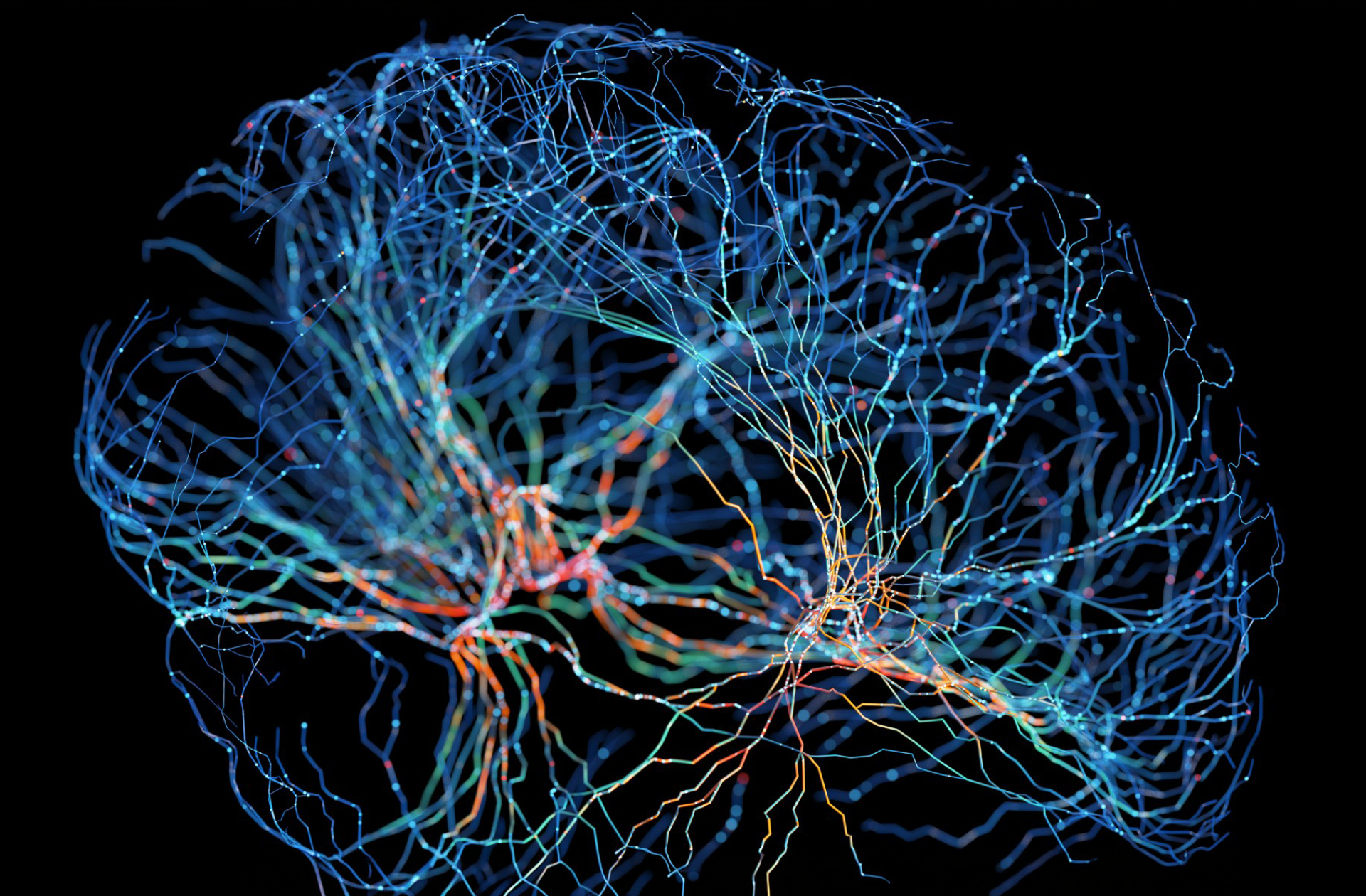
From a scientific perspective, synesthesia appears to involve increased connectivity between different sensory regions of the brain. Brain imaging studies suggest that areas responsible for processing, for example, letters and numbers can activate colour processing regions at the same time. One theory speaks of cross activation. In early development, all brains have more neural connections than they eventually keep. As we grow, many of these connections are pruned away. In synesthetes, some of these cross sensory connections may remain active.Another explanation focuses on differences in how the brain regulates signals between regions, meaning information flows more freely between areas that are usually more separated. Both models support the same idea, that synesthesia is not imagined, but rooted in measurable neural processes.
Different forms of synesthesia
There is not just one type of synesthesia. Researchers have identified many variations. Grapheme colour synesthesia, where letters and numbers are associated with colours, is one of the most common. Chromesthesia links sounds with colours. Other forms connect words with tastes, or sequences such as months with spatial layouts. What makes synesthesia scientifically interesting is its consistency. If someone associates the number seven with green, that association tends to remain stable over time. This consistency is one of the criteria researchers use to distinguish synesthesia from memory strategies or metaphors.
Artists and musicians with synesthesia
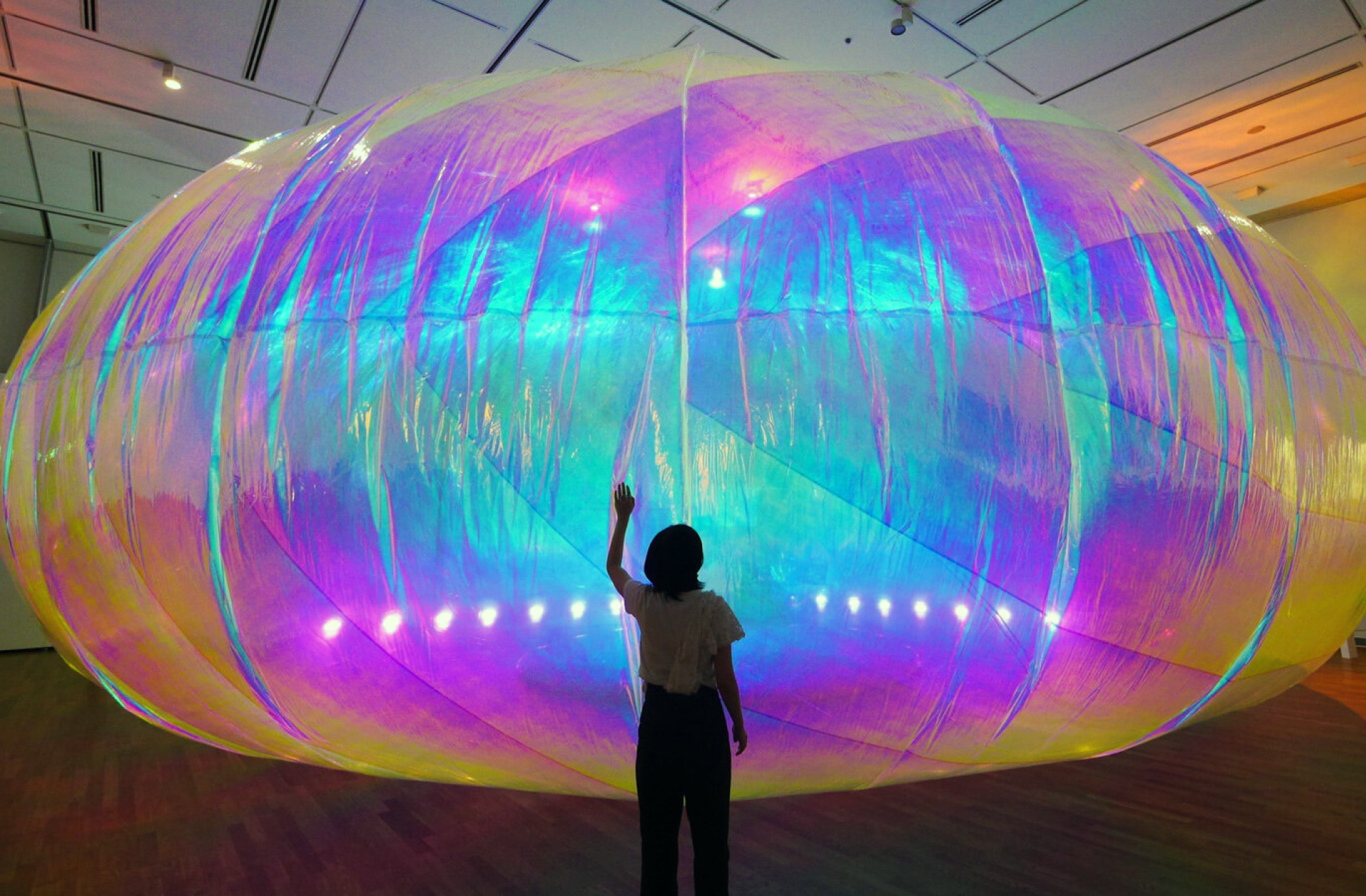
Contemporary and historical artists have found ways to translate synesthetic experiences into their work. Wassily Kandinsky famously associated colours with music, influencing the development of abstract painting. Yayoi Kusama creates immersive polka dot and infinity installations that layer colour, pattern and space, evoking overlapping senses. Similarly, Akihito Okunaka’s balloon‑like installations, shown in a recent Tokyo exhibition, invite visitors to move through light, colour and space, creating a multisensory experience. Musicians such as Duke Ellington, Billie Eilish, and Lady Gaga have described experiencing sounds in colour or texture, which shapes how they compose, perform or produce music. Seeing how these artists translate sensory blending into tangible work makes the concept of synesthesia feel vivid and approachable.
Creativity and connected thinking
There is ongoing discussion about the relationship between synesthesia and creativity. Some studies indicate that synesthetes score higher on measures of divergent thinking, which is the ability to generate multiple ideas or solutions. It is also estimated that a significant proportion of people in creative professions are neurodiverse, some figures suggest around 50 percent. This includes individuals with ADHD, autism, dyslexia, dyscalculia, and in some cases synesthesia. It makes sense that a brain which naturally forms unusual connections might approach artistic or conceptual work differently. Still, it is important not to romanticise it. Synesthesia is not a shortcut to creativity. It is simply a different perceptual framework.
Perception is more individual than we assume
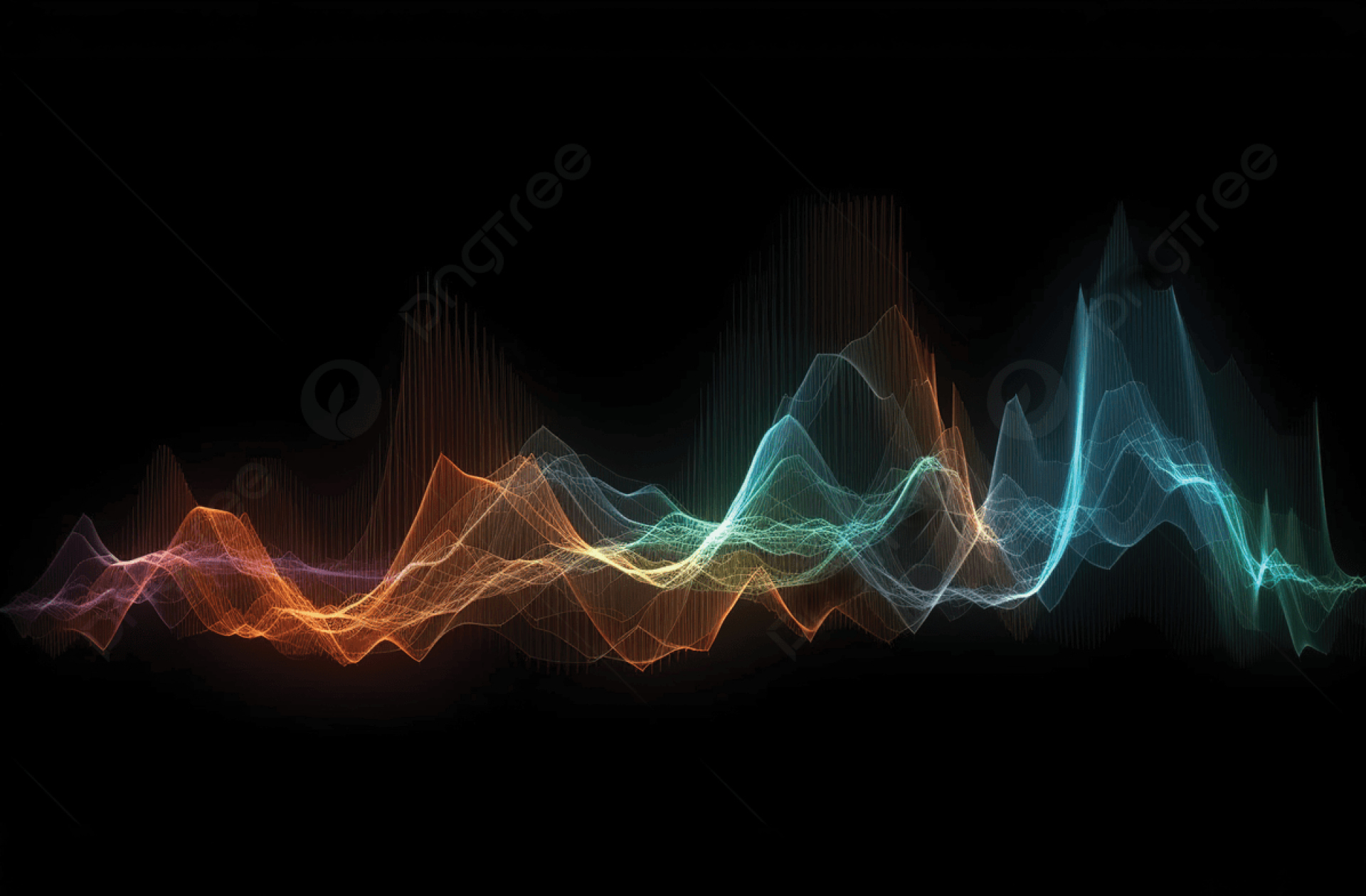
For me, the science does not make synesthesia less fascinating, it makes it more real. It shows that perception is not a fixed template shared by everyone. It is shaped by neural wiring, development and individual variation. We can measure brain activity and map connectivity, but we still cannot fully step into another person’s experience. Synesthesia makes that visible in a very concrete way.It reminds me that what feels obvious and objective is, at least in part, deeply personal.